



November 03, 2025
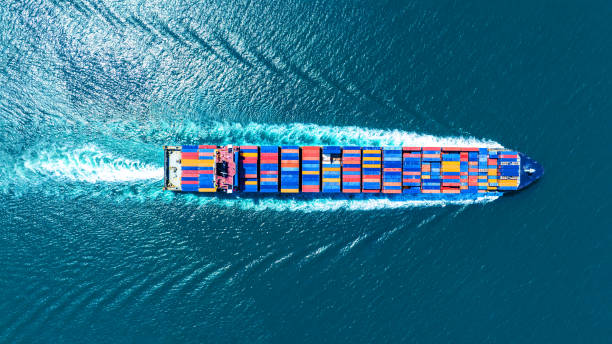
Supply chain disruptions continue to challenge freight forwarding operations between China and the United States throughout 2025, requiring innovative approaches to maintain service reliability and customer satisfaction. The ability to anticipate, manage, and recover from various types of disruptions has become a critical competitive advantage for logistics providers.
Geopolitical Tensions Affecting Shipping Routes
The ongoing geopolitical tensions between major world powers have created uncertainty in traditional shipping routes and operational procedures. Trade policy changes, tariff implementations, and regulatory adjustments require freight forwarders to maintain flexibility in their service offerings and routing options.
The shipping from china to usa industry has adapted by developing alternative routing strategies and maintaining relationships with multiple shipping lines to ensure capacity availability even during periods of heightened tension. This diversification approach helps mitigate risks associated with policy changes or route restrictions.
Port Congestion Management Strategies
Major ports in both China and the United States continue to experience periodic congestion that can significantly impact shipping schedules and costs. Effective congestion management requires real-time monitoring of port conditions, proactive communication with customers, and flexible scheduling arrangements.
Freight forwarders are investing in port monitoring technologies that provide early warning of potential delays and allow for proactive schedule adjustments. These systems integrate data from multiple sources to provide comprehensive visibility into port operations and expected processing times.
Weather-Related Disruption Planning
Climate change has increased the frequency and severity of weather-related disruptions affecting ocean shipping routes. Typhoons in the Pacific, winter storms affecting US ports, and extreme weather events require comprehensive contingency planning and risk management strategies.
Modern freight forwarding operations utilize advanced weather forecasting and routing technologies to minimize exposure to severe weather conditions. When disruptions are unavoidable, effective communication and alternative service arrangements help maintain customer relationships and minimize business impact.
Equipment Shortages and Capacity Management
Container equipment shortages and vessel capacity constraints have been recurring challenges throughout 2025, requiring freight forwarders to develop sophisticated capacity management strategies. These challenges often result from imbalanced trade flows, equipment positioning issues, and seasonal demand fluctuations.
Successful capacity management involves building strong relationships with multiple shipping lines, maintaining flexibility in scheduling arrangements, and providing customers with realistic expectations about capacity availability during peak periods. Long-term contracts and strategic partnerships help secure reliable capacity access.
Technology Solutions for Disruption Management
Advanced technology platforms enable freight forwarders to monitor potential disruptions across their entire network and respond quickly when issues arise. Artificial intelligence and predictive analytics help identify potential problems before they impact customer shipments.
Real-time tracking systems provide comprehensive visibility into shipment status, enabling proactive communication with customers about potential delays or alternative arrangements. These systems integrate data from multiple sources to provide accurate and timely information about shipment progress.
Risk Mitigation and Insurance Solutions
Comprehensive risk management strategies include appropriate insurance coverage, contractual protections, and financial hedging arrangements that protect both freight forwarders and their customers from the financial impact of major disruptions. These risk management tools provide stability and predictability in an uncertain operating environment.
Freight forwarders work closely with insurance providers to develop coverage options that address the specific risks associated with China-USA trade routes. This collaboration ensures that appropriate protection is available at competitive rates.
Customer Communication and Expectation Management
Effective communication during disruptions is essential for maintaining customer relationships and managing expectations. Freight forwarders have implemented sophisticated communication systems that provide regular updates on shipment status and expected resolution timelines.
Proactive communication helps customers make informed decisions about their inventory management and production planning, minimizing the business impact of shipping delays. Transparency and responsiveness during difficult situations often strengthen long-term customer relationships.
Supply Chain Diversification Strategies
Many businesses are adopting supply chain diversification strategies to reduce their dependence on single shipping routes or service providers. Freight forwarders support these strategies by offering services to alternative markets and maintaining operational capabilities across multiple trade routes.
The development of nearshoring and alternative sourcing strategies has created new opportunities for freight forwarding services while providing customers with greater supply chain resilience. These trends are reshaping traditional trade patterns and creating demand for new service offerings.
Regulatory Compliance During Disruptions
Maintaining regulatory compliance becomes more challenging during supply chain disruptions, as standard procedures may not be applicable under emergency conditions. Freight forwarders must stay current with emergency provisions and alternative compliance procedures that may be available during major disruptions.
The complexity of international trade regulations requires specialized expertise to navigate compliance requirements effectively. This expertise becomes even more valuable during periods of uncertainty when freight forwarding regulations may be subject to rapid changes or emergency modifications.
Conclusion
Successfully managing supply chain disruptions requires a combination of advanced technology, strategic planning, strong relationships, and operational flexibility. Freight forwarders that invest in comprehensive disruption management capabilities are better positioned to maintain service reliability and customer satisfaction even during challenging periods. The ability to adapt quickly to changing conditions while maintaining operational excellence has become essential for success in the China-USA freight forwarding market.
AEB Logistics
Address: 167 Hongkong Middle Road, Qingdao 266071, China
Locatioin MAP: https://maps.app.goo.gl/cqFgXy7SCt5GzPfF7
Posted by: VincentBusiness at
03:56 AM
| No Comments
| Add Comment
Post contains 842 words, total size 9 kb.
32 queries taking 0.0335 seconds, 96 records returned.
Powered by Minx 1.1.6c-pink.

